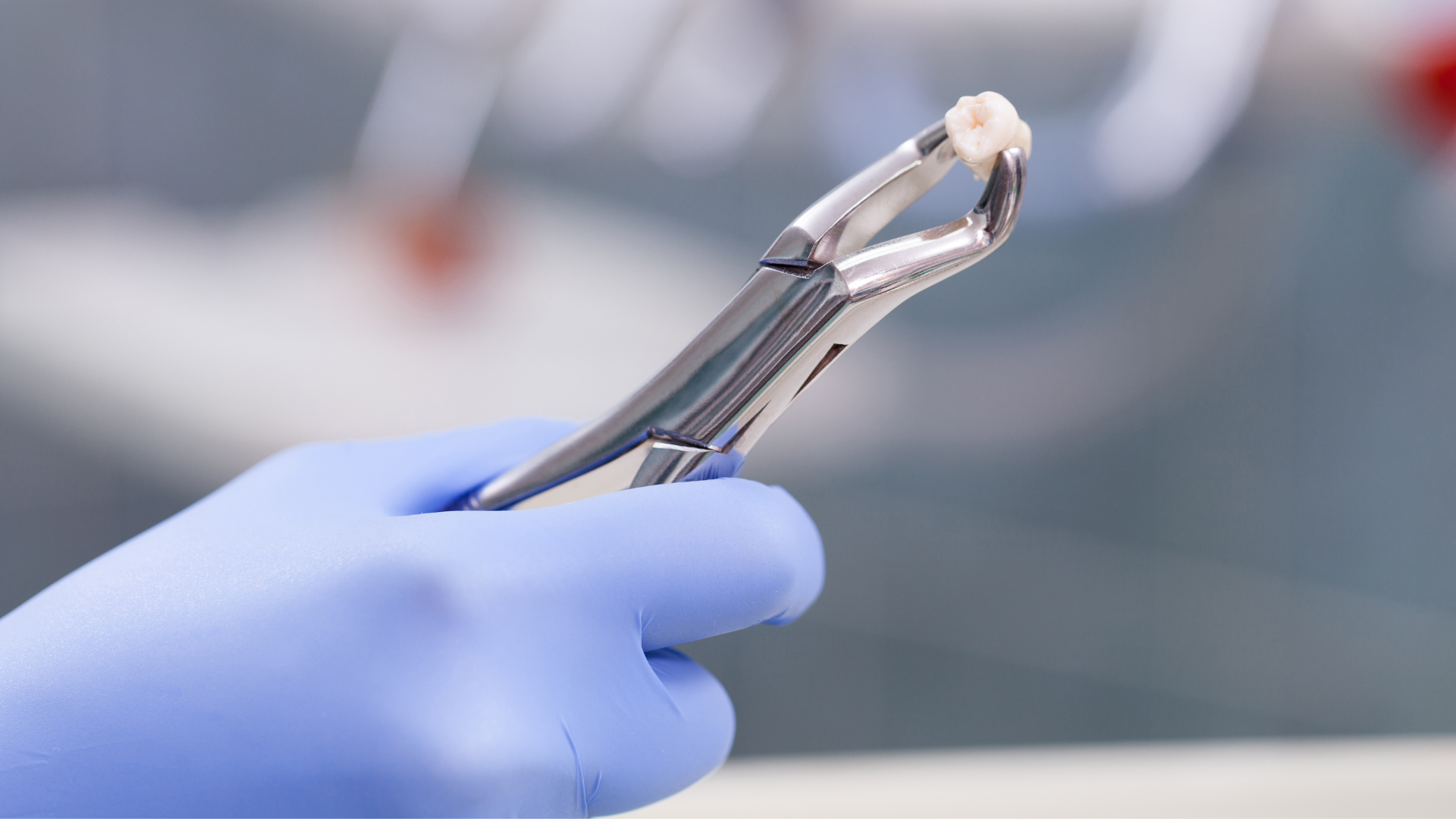
Most people do not want to lose a tooth, and neither does your dental provider. Preserving natural teeth is always the first priority. But there are situations where extraction is the right call, and recognizing the signs early can prevent a manageable problem from becoming a serious one. At Star Oral Surgery, Dr. Bobst performs both routine and complex tooth extractions in Star, ID, for patients referred by their dentist and for those seeking urgent care.
What Are the Signs That a Tooth Cannot Be Saved?
Not every painful or damaged tooth needs to come out. Many can be treated with a root canal, crown, or other restorative procedure. The decision to extract is made when the tooth is too compromised to restore or when keeping it would put the surrounding teeth and bone at risk. Dr. Bobst performs both simple and surgical extractions in Star, ID, and carefully evaluates each case before recommending removal.
Signs that a tooth may need to be removed:
- Severe decay: When decay has destroyed too much of the tooth structure to support a crown or filling, extraction may be the only viable option.
- Dental abscess or infection: A deep infection that has spread beyond the root tip and cannot be fully treated with a root canal or antibiotics may require removal to prevent further spread.
- Advanced periodontal disease: When gum disease has caused significant bone loss around a tooth, the tooth may become too loose to save and can pose a risk to neighboring teeth if left in place.
- Cracked or fractured below the gum line: Fractures that extend beneath the gum line or into the root cannot be restored and typically require extraction.
- Impacted teeth: Teeth that are fully or partially trapped beneath the gum or bone, most commonly wisdom teeth or impacted canines, may need to be surgically removed if they are causing pain, infection, or crowding.
- Orthodontic or prosthetic preparation: In some cases, a tooth may be removed to create space for orthodontic treatment or to prepare the mouth for a full-arch restoration.
Dr. Bobst evaluates each case carefully using clinical examination and 3D cone-beam CT imaging before recommending extraction, ensuring that removal is the appropriate course of action.
What Is the Difference Between Emergency and Planned Extraction?
Planned extraction:
A planned extraction is scheduled in advance, typically following a referral from your general dentist. There is time to review imaging, discuss sedation options, and prepare for the procedure and recovery. Most extractions fall into this category, including removal of failing teeth before implant placement, impacted tooth removal, and pre-orthodontic extractions.
Emergency tooth extraction in Star, ID:
An urgent care situation arises when a dental problem requires immediate attention to prevent serious complications. Common oral health emergencies that may require prompt extraction include:
- A severe abscess that has spread and is causing facial swelling
- A tooth that has been fractured or traumatically damaged beyond repair
- Significant pain and infection that cannot be managed until a scheduled appointment
Dr. Bobst is on call to assist with oral health emergencies and maintains hospital privileges within the Saint Alphonsus medical system for cases requiring a higher level of care. If you are experiencing severe pain, swelling, or signs of infection, do not wait to call the office.
Sedation for both planned and emergency extractions:
Whether your extraction is scheduled or urgent, Star Oral Surgery offers the following anesthesia options:
- Local anesthesia: Numbs the surgical area and is appropriate for straightforward cases.
- IV sedation: Provides deep relaxation through an intravenous line for more complex or surgical extractions. Most patients have little to no memory of the procedure.
- General anesthesia: Available for extensive procedures and administered in the office.
What Are Your Tooth Replacement Options After Extraction in Star, ID?
Removing a tooth addresses the immediate problem, but leaving the gap untreated over the long term can lead to bone loss, shifting of neighboring teeth, and changes in bite alignment. Replacing the tooth is an important part of your overall oral health plan.
Common tooth replacement options to discuss with your provider:
- Dental implant: The most permanent and natural-feeling solution. A titanium or zirconia implant post is placed into the jawbone and topped with a crown. Implants preserve bone and function like a natural tooth. If you plan to pursue an implant, socket preservation at the time of extraction is often recommended to protect the bone at the site.
- All-on-4® full-arch restoration: For patients losing multiple teeth or a full arch, All-on-4® provides a fixed, implant-supported bridge supported by four to six implants.
- Fixed dental bridge: An artificial tooth anchored to adjacent natural teeth on either side of the gap. Does not require surgery but involves modifying the neighboring teeth.
- Removable partial denture: A removable appliance that replaces missing teeth. A more accessible option, though less stable than an implant-based solution.
Tooth replacement planning starts at your consultation. Dr. Bobst and our team coordinate closely with your restorative dentist or prosthodontist to ensure your extraction and any future restoration are planned together from the outset.
Schedule a Tooth Extraction Consultation at Star Oral Surgery in Star, Idaho
Whether you have been referred for a planned extraction or are dealing with a dental emergency, Star Oral Surgery is here to help. Dr. Bobst serves patients throughout the Treasure Valley, including Star, Boise, Meridian, Eagle, Nampa, and surrounding communities.