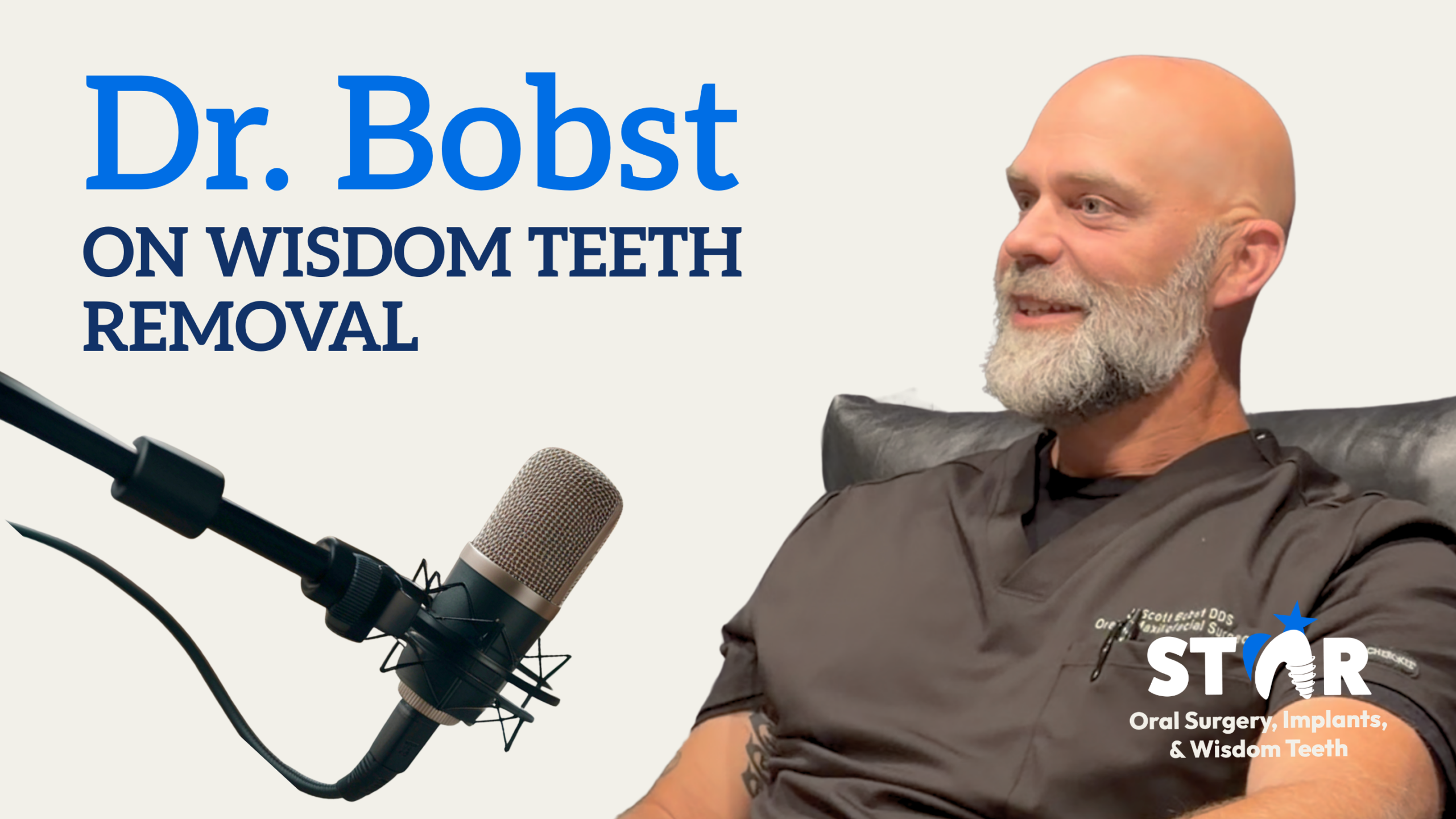
If you have been putting off impacted wisdom teeth removal, timing matters more than most people realize. At Star Oral Surgery, Dr. Bobst sees patients across every stage of this decision, from teenagers scheduling early to adults who waited a decade too long. The difference in outcome often comes down to one thing: how developed the roots are by the time you finally act. Learn more about wisdom teeth removal from Dr. Bobst.
Why Is There an Ideal Age Window for Wisdom Teeth Removal?
Most oral surgeons point to one specific window for wisdom teeth removal:
- Ideal age: Around 15 to 16 years old
- Root development at this stage: Roots are only about half formed
- Why it matters: Partially formed roots mean an easier extraction, a smoother recovery, and fewer complications overall
Dr. Bobst applies this same standard to his own family. He had his kids’ wisdom teeth removed early, specifically to avoid the roots growing closer to the nerve. For a specialist who evaluates these cases daily, that choice reflects how strongly the timeline affects the outcome.
What Happens to the Roots and Nerves If You Wait Too Long?
Wisdom teeth do not stay the same size while treatment is delayed. The longer they remain past the mid-teen years, the more the root structure changes:
- Roots continue to grow and can develop into large, irregular shapes
- They anchor more deeply into the jawbone
- In the lower jaw, growing roots move increasingly close to a major nerve
- Left long enough, the nerve can end up wrapped around the root or crisscrossed above it
At that point, wisdom teeth removal carries a real risk of nerve involvement, since the surgeon has to work around a nerve that has grown into the surgical site instead of sitting safely below it.
Is It Still Safe to Remove Wisdom Teeth in Your 20s or 30s?
Yes, but the procedure looks different from what it would have a decade earlier.
What changes with age:
- Wisdom teeth are usually fully developed and firmly set in the jaw
- Roots may already sit close to, or wrapped around, the nerve
- Post-operative pain tends to be more significant
- Healing generally takes longer
What stays the same:
- Experienced oral surgeons manage these complex cases regularly
- Imaging and surgical planning help protect the nerve during removal
- Outcomes are still good with the right surgical team
What Should Parents Know About Getting Ahead of the Problem?
For parents of teenagers, the takeaway is simple: earlier is easier.
- A consultation around age 15 or 16 lets your child’s oral surgeon evaluate root development through imaging
- Removal at this stage is still straightforward for most patients
- Waiting until a tooth becomes painful or infected removes that flexibility
- A delayed case shifts from ideal timing to complicated case management
Scheduling an evaluation early protects your child from the longer recovery and added risk that come with waiting.
Schedule Your Wisdom Teeth Consultation with Star Oral Surgery
Whether you are scheduling for a teenager or finally addressing wisdom teeth removal you have put off for years, Star Oral Surgery can evaluate your specific case and walk you through what to expect. Dr. Bobst uses in-house imaging to assess root development and nerve proximity before recommending a treatment plan.